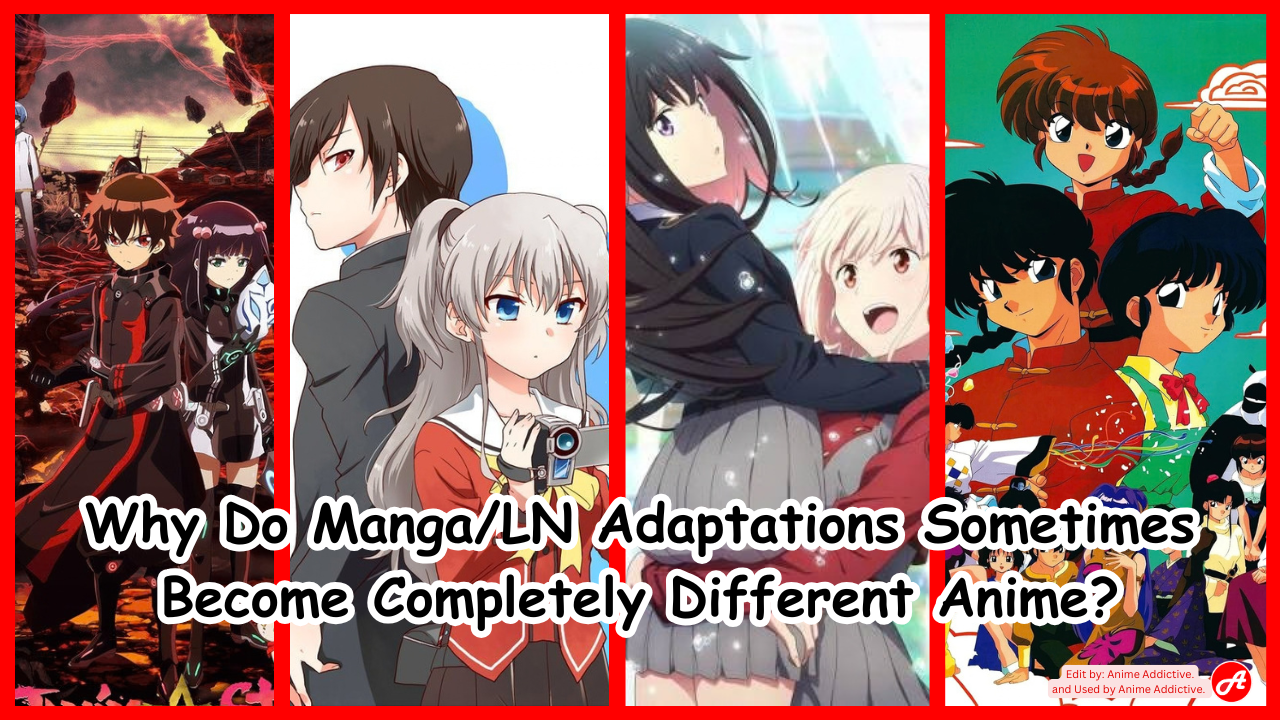
Well, today we’re finally doing something a little different.
For the last several days, I’ve basically been covering one anime announcement after another. A new season, a new anime, another announcement…
It just didn’t stop. 😂
So today, I finally decided to take a break from all of that and talk about something that a lot of anime fans have probably wondered about at some point.
You know that feeling, right?
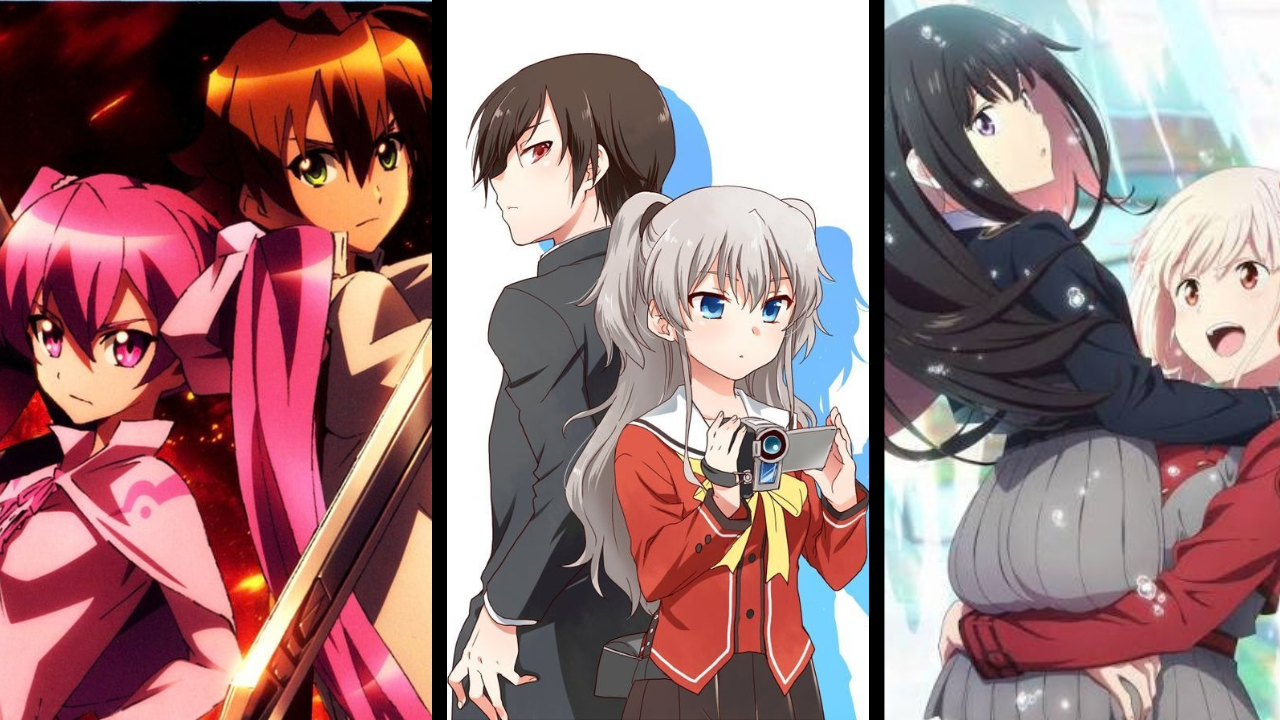
You read a manga, then watch its anime adaptation, and suddenly you’re sitting there thinking:
“Wait a second… wasn’t this different in the manga?”
Maybe the anime changed the order of events.
Maybe some scenes were shortened or removed.
Maybe it added an anime-original episode.
Maybe a character was introduced differently.
Or sometimes…
The anime and the manga end up telling two completely different stories.
And that’s exactly what we’re going to talk about today.
Why does this happen?
Why can the same story end up being so different depending on whether you’re reading it or watching it?
Before we get into it, though, there’s something important.
⚠️ Spoiler Warning
This blog contains major spoilers for several anime and their source material.
We’ll be talking about Akame ga Kill!, Ranma ½, Twin Star Exorcists, The Detective Is Already Dead, Makeine: Too Many Losing Heroines!, Charlotte, The Beginning After the End, and potentially a few other examples.
So if you haven’t watched these anime yet, or you haven’t read their manga or light novels, please be careful.
If you don’t want to get spoiled…
You should probably leave this blog here. 😂
But if you’re okay with the spoilers…
Well…
Let’s get into it. 👀
Why Is an Anime Adaptation Sometimes So Different From Its Source Material?
Well, yeah.
This is the point where you guys came here for. 😂
There are actually many reasons why an anime can become different from its source material.
Sometimes the difference is very small.
Sometimes…
It’s very, very different.
But before we talk about the really big differences, we need to understand what kind of changes we’re talking about in the first place.
Let’s start with some of the most basic things that happen in anime adaptations.
The anime might trim a scene, add a new scene, change the order of events, remove some details, shorten a conversation, add an original episode, or even add a small anime-original arc.
And honestly, this part is pretty simple to understand.
Why?
Because anime has a very tight schedule.
If an anime gets 12 episodes, the production has to fit the story into those 12 episodes. If it gets 24 episodes, they have more space, but they still have a fixed amount of time to work with.
Meanwhile, a manga or light novel doesn’t necessarily have the same limitation.
A manga can take several chapters to explain something.
A light novel can spend pages explaining a character, a conversation, or an event.
But an anime has to take all of that and fit it into a specific runtime.
So sometimes the production team has to decide:
“Do we really need this part for the story to continue?”
And if the answer is no…
Well…
That part might get removed. 😅
That’s one of the most basic reasons why anime adaptations can be different from their source material.
But that’s not really the main thing I want to talk about today.
I’m talking about the cases where an anime starts by following the source material…
And then, somewhere along the way…
It becomes an entirely different story.
And that’s where things get interesting.
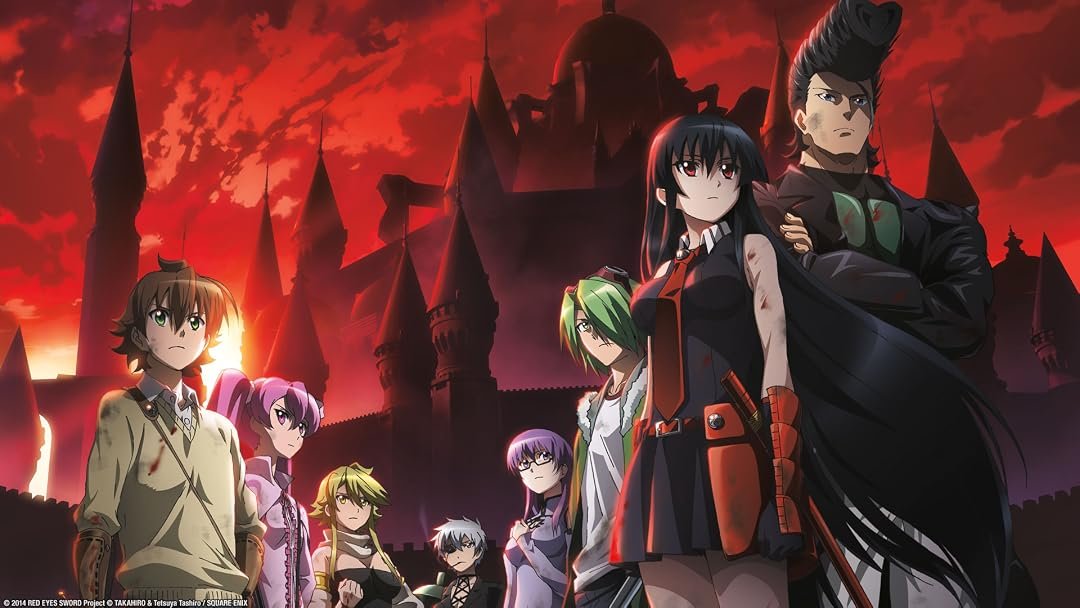
Akame ga Kill! — When the Anime Catches Up With the Manga
Let’s start with Akame ga Kill!.
This one has a very interesting situation behind it.
Because when the anime was being produced, the manga wasn’t finished yet.
The manga started in 2010 and continued until 2016, while the anime aired in 2014.
So the anime eventually reached a point where it couldn’t simply keep adapting the manga because there wasn’t enough completed source material available for it to follow all the way to the end.
And this is where things started becoming different.
The anime eventually created its own route toward the ending, which is why the ending of the anime is different from the ending of the manga.
And here’s the interesting part.
At the time, the manga’s ending wasn’t even available yet.
The anime had already reached the point where it needed to continue its story, while the manga was still being written.
So instead of stopping the anime and waiting for the manga to finish…
They continued.
And that gave us a completely different conclusion.
In fact, Takahiro later explained that the anime had overtaken the manga during production, and the story was changed so that people who watched the anime wouldn’t simply know the manga’s ending.
And honestly…
That’s one of the biggest reasons why you can watch an anime and then read the manga and think, “Wait… what the hell happened here?” 😂
The anime and manga started from the same story.
But because the anime reached the source material before the manga was finished…
They eventually had to go in different directions.
And Akame ga Kill! isn’t the only anime where something like this happened.
We’ve seen similar situations with other adaptations where the anime was being produced while the source material was still ongoing, forcing the anime to either slow down, add original material, or eventually create its own route.
And that’s where we get to another interesting examples include Fullmetal Alchemist (2003), Soul Eater, Claymore, and Hellsing.
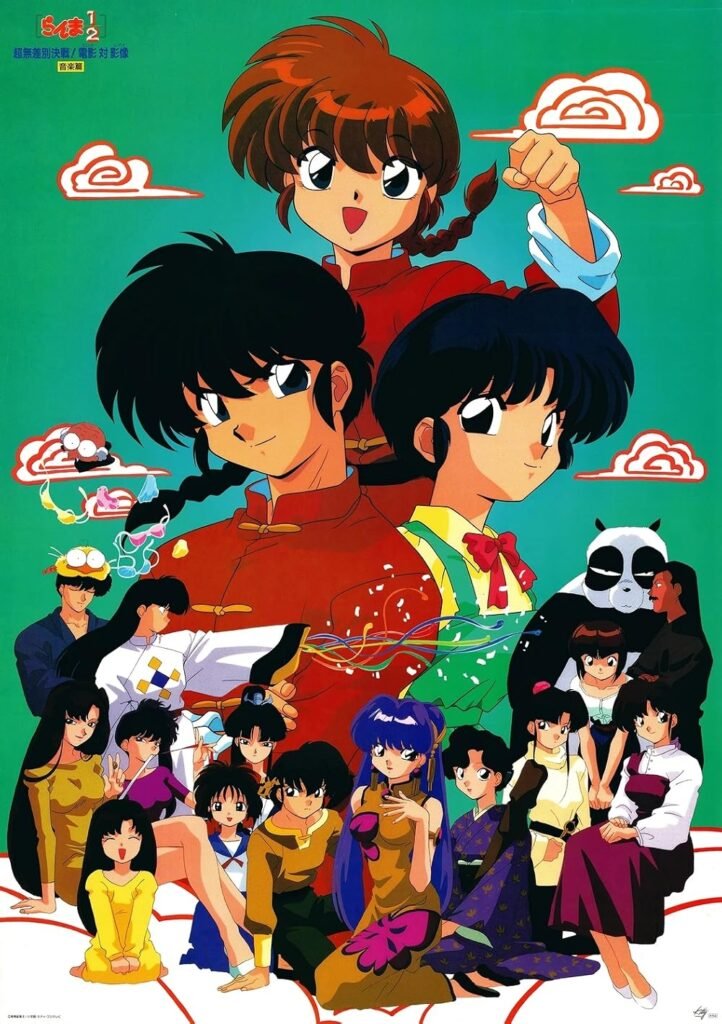
Ranma ½ — When the Anime and Manga Are Running at the Same Time
Now let’s talk about Ranma ½.
And this situation is a little different from Akame ga Kill!
The Ranma ½ manga began in 1987 and continued until 1996, while the original TV anime aired from 1989 to 1992.
So yes…
The manga was still being published while the anime was airing.
And that created a different kind of problem.
The anime had to keep producing episodes, but the manga couldn’t magically produce new chapters just because the anime needed them.
So the anime adapted a lot of the manga’s material, but it also included anime-original episodes, stories, and characters, while rearranging some of the manga material as well.
And that’s basically where the idea of filler comes into the picture.
The anime needs something to fill its schedule.
The manga is still being written.
So the anime says:
“Okay… let’s do something else for now.” 😂
And that’s why Ranma ½ can feel different from the manga even though it still follows the manga’s story in many places.
It isn’t simply:
“Manga = one story, anime = completely different story.”
It’s more like:
“Manga story + anime changes + anime-original material.”
And honestly, that’s one of the reasons why older long-running anime can have so much extra material compared with modern seasonal anime.
They had more episodes to fill, and they were often being produced while their source material was still being serialized.
And again, Ranma ½ isn’t the only example.
There are plenty of older anime where the anime had to use original episodes or filler material because the source material was still being published.
So when you see an anime with a bunch of episodes that don’t exist in the manga…
That doesn’t necessarily mean the studio forgot the manga existed. 😂
Sometimes…
They just needed something to put on TV.
btw This happened with plenty of long-running anime, especially when the manga couldn’t provide enough material for the anime’s weekly schedule. Naruto, Bleach, Dragon Ball Z, and One Piece are some well-known examples where anime-original or filler material was used to give the source material more time.
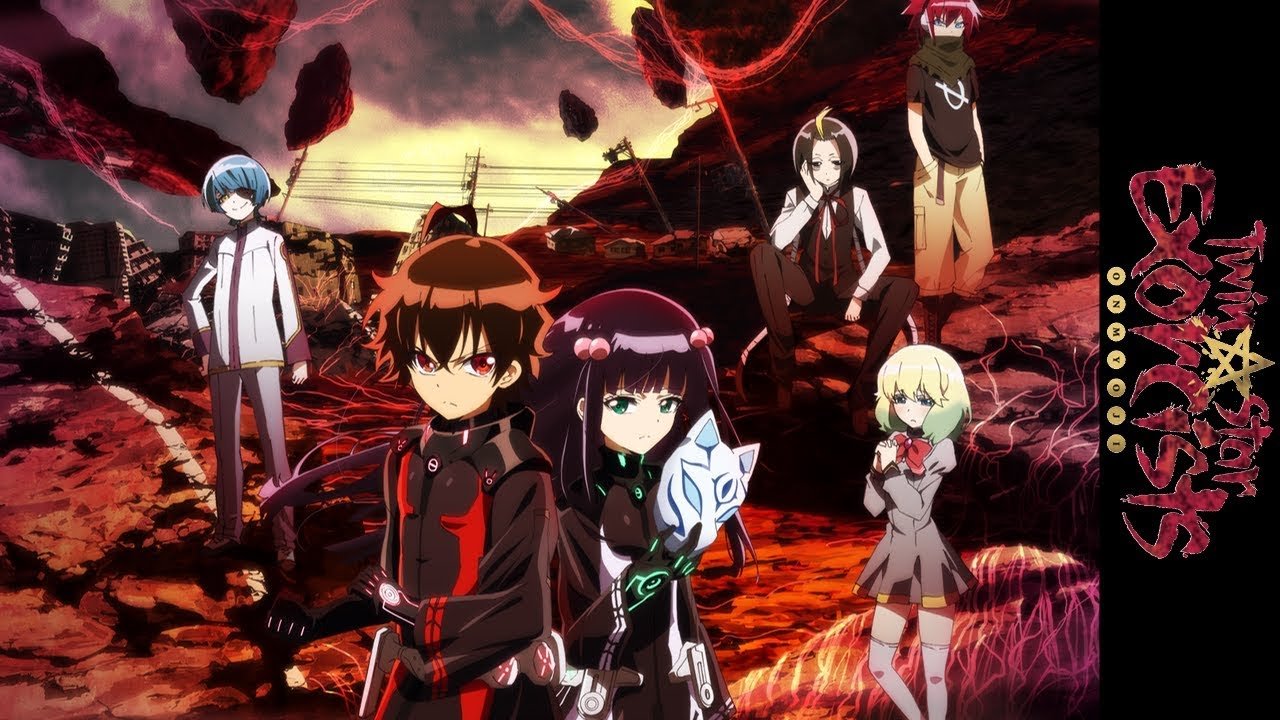
Twin Star Exorcists — When the Anime Takes a Completely Different Route
Now let’s talk about Twin Star Exorcists.
And this one is probably one of my favorite examples for this topic.
Why?
Because Twin Star Exorcists basically gives us two different versions of the story.
The anime started airing in 2016 and ran for 50 episodes, finishing in 2017. The manga was still ongoing at that time and eventually continued until 2024, ending with 35 volumes.
At the beginning, the anime follows the manga.
So if you’re watching it, everything seems normal.
You recognize the characters.
You recognize the basic story.
You think:
“Okay, we’re following the manga.”
And then…
Things start changing. 😂
The first 20 episodes follow the manga’s storyline, but from Episode 21 onward, the anime moves into an anime-original storyline.
And this isn’t just:
“Oh, they removed one scene.”
No.
The anime takes a completely different route.
The characters are still there.
The basic concept is still there.
But the story itself develops differently.
And that’s where Twin Star Exorcists becomes really interesting.
Because the manga continued developing its own story for years after the anime had already finished.
The manga goes much deeper into things like family, traditions, spirits, and the larger mythology of the world, while the anime had already created its own conclusion.
And personally…
I still really like the anime.
It’s actually one of my favorite anime even now. 😂
But if you watch the anime and then read the manga, you’re going to realize pretty quickly that they aren’t telling exactly the same story.
And again, Twin Star Exorcists isn’t some completely unique case.
There are other anime adaptations where the anime eventually branches away from the source material and creates its own storyline or ending.
But I think this is one of the clearest examples because you can actually see where the anime stops following the manga and starts doing its own thing.
And that’s what makes it so interesting.
The anime and manga may have started from the same place…
But they didn’t necessarily have to reach the same destination.
And honestly…
Both versions can still have their own value.
And you know this kind of split has happened before too. Some anime begin by following their manga fairly closely, but eventually branch off into an anime-original storyline. Tokyo Ghoul √A, Blue Exorcist, Soul Eater, and Hellsing are some examples where the anime and source material eventually take noticeably different paths.
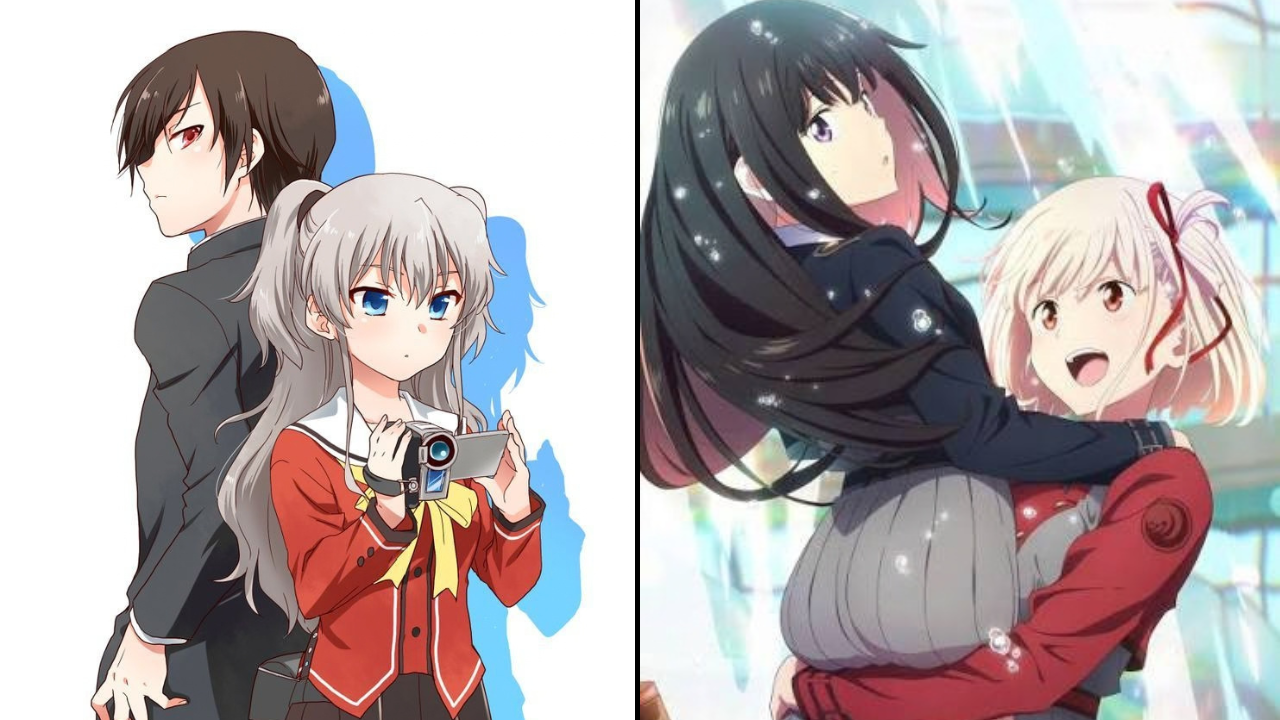
Charlotte and Lycoris Recoil — What If the Anime Was the Original?
Now let’s talk about something that confuses people even more.
What happens when the anime itself is the source material? 😂
Yep.
I’m talking about Charlotte and Lycoris Recoil.
Both of these are original anime.
Charlotte was created as an original anime project, with the anime story written by Jun Maeda. The TV anime aired in 2015, while its manga adaptations came afterward.
And Lycoris Recoil is also an original anime series.
So in cases like these…
The anime came first.
That’s the important part.
If you later see a manga or light novel based on the anime, you might think:
“Oh, that’s the source material.”
But…
Nope. 😂
The anime was the original source.
The manga or light novel came later.
And that’s why those later versions can sometimes contain additional details, expanded scenes, or things that weren’t shown in the original anime.
They have more room to expand the story.
A manga doesn’t have to fit everything into 12 or 24 television episodes.
A light novel can spend much more time explaining characters, events, or the world.
So if you see something extra in the manga, that doesn’t automatically mean:
“The anime removed it from the original manga.”
Sometimes…
There was no manga to begin with.
The anime was the original.
And that’s an important thing to understand before comparing an anime adaptation with its “source material.”
Because sometimes…
The anime IS the source material. 😅
Some Other Exmple Cowboy Bebop, Neon Genesis Evangelion, Code Geass, Kill la Kill, and Psycho-Pass are some examples. And just like Lycoris Recoil, the manga came later as an adaptation rather than being the original source.
And Then We Have Another Kind of Problem
Now let’s talk about something completely different.
This happens when an anime is officially adapting the source material, but the viewers themselves start getting confused about whether it is actually following that source material or not.
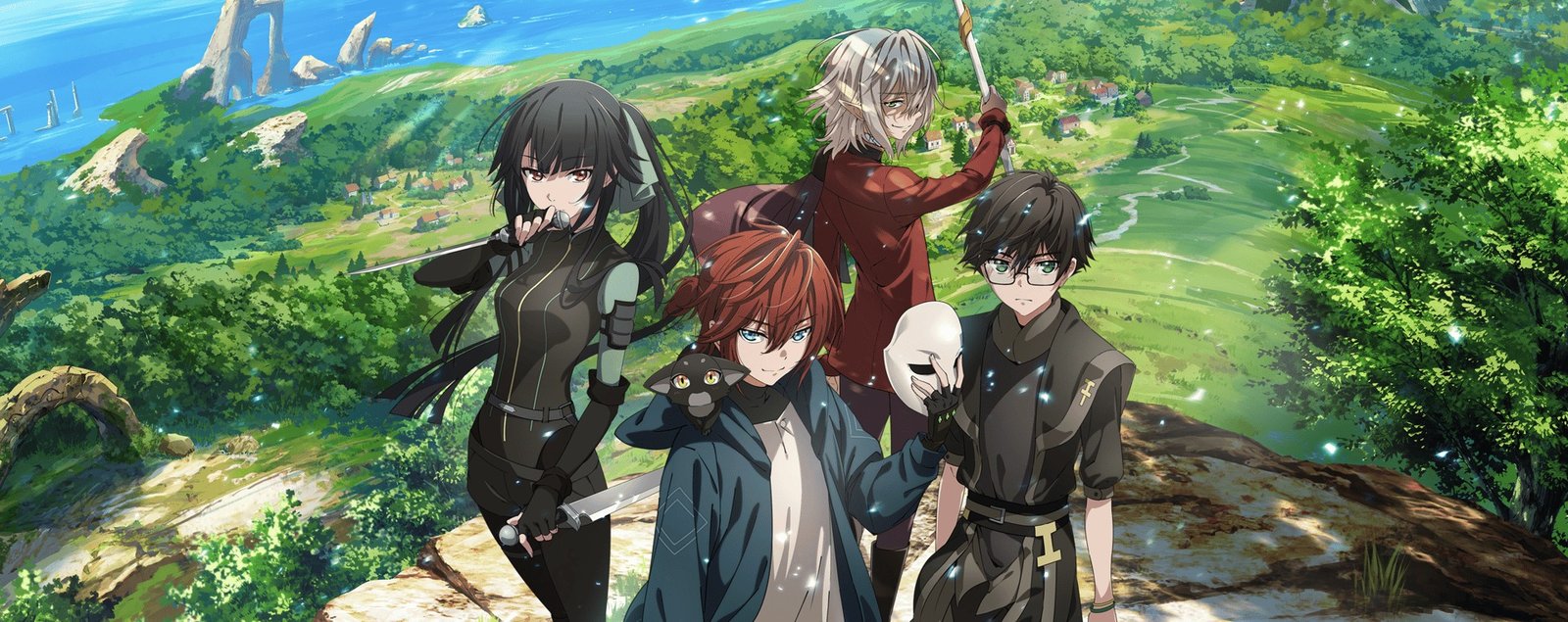
Yep, I’m talking about The Beginning After the End.
I’m not going to lie—this anime has been quite controversial among its existing fanbase. The Beginning After the End originally began as a web novel written by TurtleMe, later received its manhwa adaptation, and eventually got an anime. And here’s the interesting part: TurtleMe was also involved in the anime production.
But being the original creator doesn’t mean you suddenly control every single part of an anime production. There are directors, writers, producers, the animation studio, and many other people involved. So even when the original creator is there, the final anime can still end up being presented differently from what readers expected.
And that’s where my confusion comes in.
As a reader, there were moments where I was watching the anime and thinking:
“Wait… is this actually following the source material?” 😅
Because The Beginning After the End is the kind of story where the timeline, world-building, rules, and small details actually matter. So when certain events are rearranged or presented differently, it can become difficult for viewers to understand where exactly the anime is going.
Now, I want to make one thing clear: this next part is my personal opinion. I sometimes feel like the adaptation process itself has become complicated enough that even though everyone involved knows the source material, the final anime doesn’t always make that connection clear to the audience.
I’m not saying the studio or Crunchyroll literally don’t know what they’re doing. 😂 That’s something I can’t prove.
But as a viewer, I can definitely say that there are moments where I find myself asking:
“Okay… what exactly are they following here?”
And that’s a completely different kind of adaptation problem.
Sometimes the question isn’t “Why did they change the story?”
It’s:
“Did they actually change the story… or am I just confused about what they’re doing?” 😂
Stay Updated
Well, I guess we covered quite a lot today.
I don’t really have another example for that last type of category. There are a few anime that could probably fit, but if I start naming some of them, it might become controversial—and honestly, I don’t want to involve myself in those controversies. 😅
So, I think that’s enough for today.
Well, today I tried something a little different.
I was thinking about writing something that could give you some of the basic information people ask me about quite often. And I thought, why not write a whole blog about it?
Usually, I’m giving you the latest anime updates, episode reviews, anime reviews, announcements, and all that stuff.
But there are also many things that people still don’t know about anime adaptations and their source material. And I thought, well, I can use a little bit of my own experience and whatever little bit of brain I have. 😂
In simple terms…
I wanted to show that I know something about this.
Which is basically me showing off a little bit, but yeah. 😂
Anyway, I hope you enjoyed this blog.
It was definitely a big one.
This isn’t the kind of blog where you can just click on one anime, talk about it, and finish. We had to talk about different anime, different source materials, different situations, and why adaptations can sometimes become so different.
And honestly, I don’t think there are any major story spoilers here.
But the source materials themselves?
Yeah…
There are definitely spoilers. 😅
So if you haven’t watched some of the anime we mentioned or haven’t read their source material, you have been warned.
And if you enjoyed this blog, share it with your fellow anime friends who love any of the anime we mentioned or who might be interested in this topic.
You can even take a screenshot of the blog, post it on your social media, and tag us. We’ll be happy to repost it as well.
But yeah, that’s it for today.
Tell me in the comments: did you already know about this side of anime adaptations and their source material?
Or did you learn something new from this blog?
And more importantly, do you like this kind of blog?
Should I write more articles like this?
Because I’m not going to lie…
This type of blog takes a LOT of time to write. 😂
But I wanted to try something different this time, so I did.
So let me know if you enjoyed it, and tell me whether you actually learned something new—maybe about an anime’s source material, how its adaptation was handled, or something else you didn’t know before.
And before you go, if you want to support this kind of content, you can always buy us a coffee.
And if you can’t, that’s completely fine.
Just reading and enjoying our blogs is already more than enough. ❤️
And yeah, one more thing.
If you enjoy our anime updates, episode reviews, anime reviews, and blogs like this, you can always bookmark our website—Anime Addictive.
We’ll keep bringing you the latest updates and, hopefully, some facts and information that you didn’t know before.
Until then…
We’ll meet again in another anime review, episode review, latest anime update…
or maybe another random blog like this one. 😂
Stay tuned with Anime Addictive. ❤️
This Blog Written By: Prince Sanatan Kumar
(Yuu-Kun